
Sitting at the Cross: Giving Jesus the Pain
Jesus carrying our pain, grief, suffering, and death on the cross (Good Friday reflection)
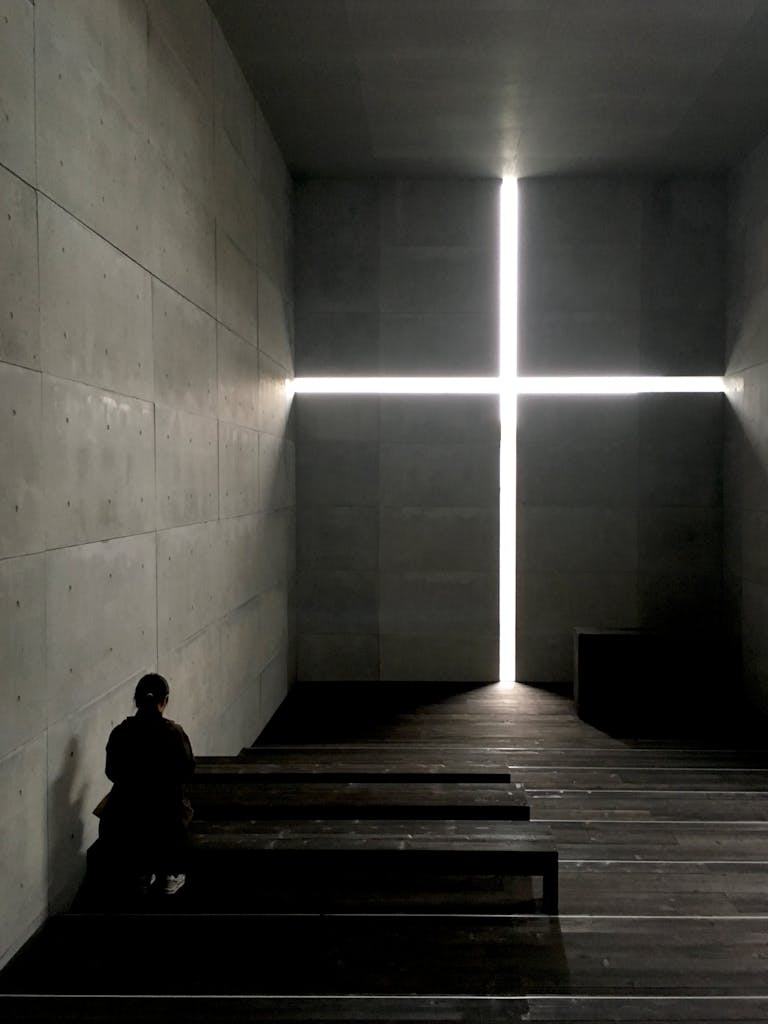
Good Friday invites us not to rush, not to fix, not to explain — but to sit.
This year, as I sat with the story of the cross, I became aware of something I’ve known in theory but had not fully received before. Jesus does not carry only our sin. He carries everything sin produces. Jesus carried our pain.
The broken hearts.
The fractured relationships.
The pain that lingers long after forgiveness is spoken.
And as I stayed there — not analysing, just abiding — I sensed God gently saying:
“Give me the pain.”
More Than Forgiveness
We often speak of the cross as the place where our sins are forgiven. And it is. But as I lingered with Isaiah 53, I noticed how much more is named:
“Surely he has borne our griefs
and carried our sorrows…
the punishment that brought us peace was upon him,
and by his wounds we are healed.”
This is not only the language of guilt.
It is the language of grief, sorrow, peace, and healing.
Sin does not only make us wrong before God. It wounds, it fractures and it devastates. And Scripture refuses to separate the act of sin from its consequences. Jesus carries both.
The psalms Jesus prays from the cross echo this truth. Psalm 22 and Psalm 69 are not confessions of wrongdoing — they are cries of betrayal, abandonment, shame, and unanswered prayer. And Jesus chooses to take those words onto his own lips.
Which tells me this:
The pain we carry because of sin — even sin done against us — belongs on the cross Jesus carried for us.
The God Who Suffers With Us
Jürgen Moltmann describes the cross as the place where God does not stand at a distance from human suffering, but enters it fully. God does not merely forgive suffering — God bears it.
This matters deeply.
It means the pain I still carry is not a sign that forgiveness has failed.
It is a sign that I am human — and that Jesus has gone ahead of me into that pain.
As I sat with this, faces came to mind. People I have chosen to forgive — some who may not even know how deeply they hurt me. I realised that while I had forgiven, I was still carrying the weight of what their sin had cost me.
And again, I sensed God saying:
“You don’t have to carry this anymore.”
What Forgiveness Really Releases
Forgiveness does not mean the harm was small.
It means the harm was real — and Jesus has already carried its weight.
N.T. Wright speaks of sin not only as a list of wrong actions, but as a power that enslaves and distorts human life. The cross, then, is not only about cancelling guilt, but about absorbing the destructive force of sin so it no longer has the final word.
This helped me understand something I’ve often experienced but struggled to articulate: why forgiveness brings relief.
The relief does not come because justice was bypassed.
It comes because I am no longer required to be the one who pays the cost.
At the cross, Jesus becomes the place where justice and mercy meet — where pain is not ignored, but held in love.
Even Our Grief Belongs on the Cross
As I sat longer at the cross, I realised this is not only for those wounded by sin, but also for those grieving death.
Scripture tells us that sin entered the world — and death entered through sin. Which means death itself is not something God stands apart from on Good Friday. It is something Jesus steps directly into.
The cross is not only where guilt is forgiven.
It is where mortality is embraced.
Jesus’ body weakens.
His breath falters.
His life slips away.
God does not explain death from a distance.
God dies.
And suddenly I realised how often we remove our grief from the cross.
- We bring our sins there — but not always our sorrow.
- We bring our repentance — but not always our loss.
- We shake our fists at God over sickness, disease, and death, as though He were untouched by them.
But the truth is far more confronting — and far more tender.
Jesus carried that too — our grief, our suffering, our death.
Isaiah tells us he bore our griefs.
The gospels show us he wept at a grave.
The cross reveals a God who allows death to do its worst — not to avoid it, but to exhaust it.
Jürgen Moltmann writes that on the cross, God takes death into himself so that death might finally lose its power over us. This means our grief is not a failure of faith. It is a holy response to a world that is not yet whole.
And it means we are not wrong to bring our grief to the cross.
We are right.
Laying Down What We Were Never Meant to Carry
As I sat there, I sensed God gently asking:
Why are you carrying what I have already carried?
Not only the pain of betrayal.
But the ache of absence.
The weight of loss.
The sorrow that feels too heavy to put into words.
The cross becomes the place where even our grief can rest — not because it disappears, but because it is held.
Good Friday does not rush us toward answers.
It invites us to lay down our sorrow at the feet of a God who knows it from the inside.
Good Friday does not ask us to hurry our healing.
It invites us to place our pain where it already belongs.
To name the wound honestly.
To name the cost truthfully.
And to release it — again and again — onto the cross.
Not because it no longer matters.
But because it already mattered enough for Jesus to carry it.
As I sat at the cross this Good Friday, I sensed a simple call — for myself, and perhaps for you too:
Give him the pain.
Stop being the cross.
Let Jesus be Jesus.
And stay.
Abide.
On Good Friday, we remember that Jesus carried our pain on the cross — so we no longer have to carry it alone.